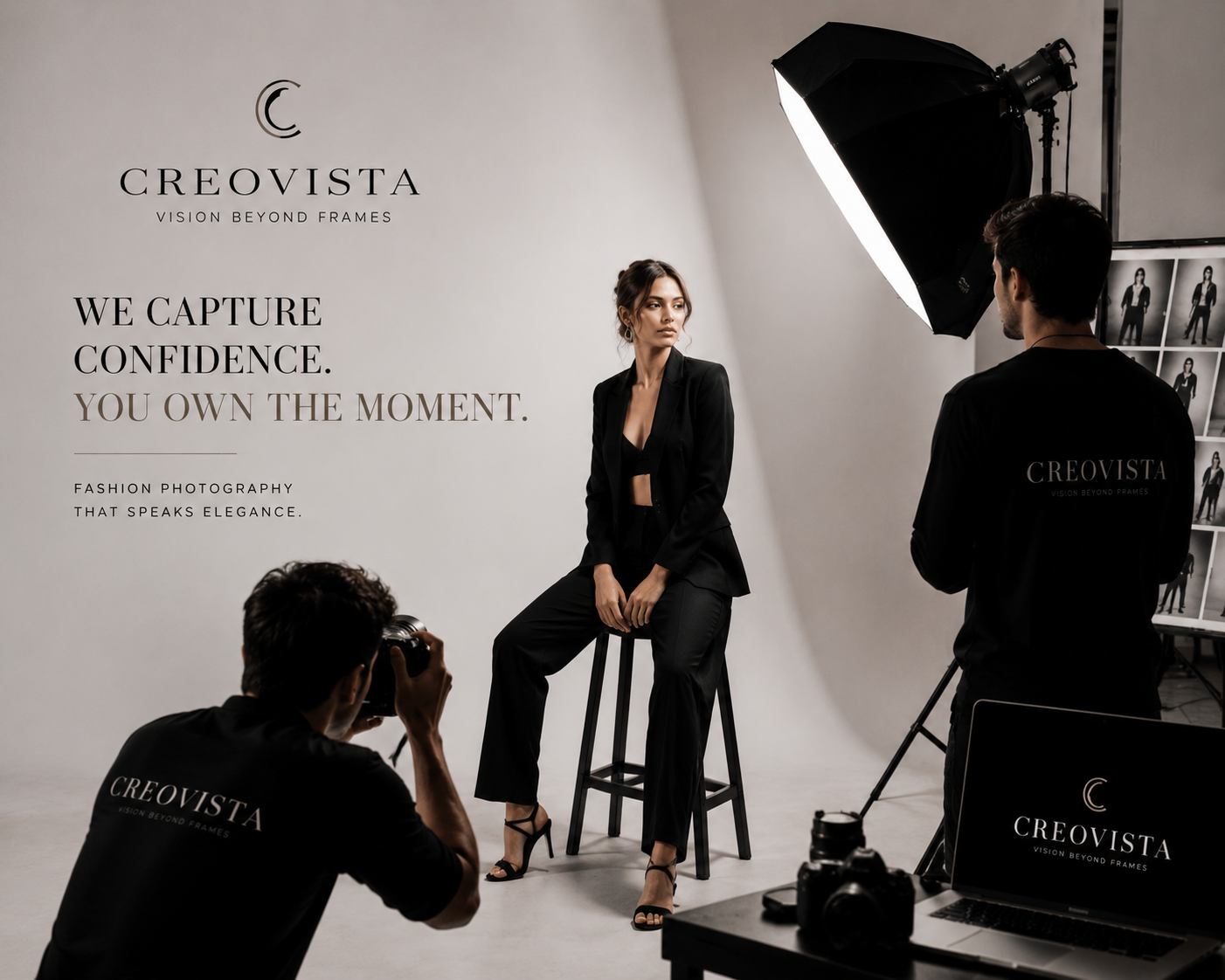
The Ultimate Guide to Commercial Photography for Modern Brands
In today’s digital-first world, first impressions happen online. Whether customers discover your business through your website, social media, Google Search, or an online marketplace, the quality of your visuals can influence how they perceive your brand. Commercial photography is no longer a luxury—it is a powerful marketing tool that helps businesses build trust, communicate their value, and drive sales.
In this comprehensive guide, we’ll explore what commercial photography is, why it matters, its different types, and how professional imagery can transform your business.
.

What Is Commercial Photography?
Commercial photography is the art of creating high-quality images for businesses and marketing purposes. These photographs are designed to promote products, services, people, or brands across various platforms such as:
- Business websites
- Social media campaigns
- E-commerce stores
- Digital advertisements
- Print marketing materials
- Company brochures
- Billboards
- Product catalogs
- Email marketing campaigns
Unlike personal photography, commercial photography focuses on achieving business goals, such as increasing brand awareness, generating leads, and boosting sales.
Why Commercial Photography Matters
Consumers are naturally drawn to visuals before reading any text. Professionally captured images can significantly improve how your audience interacts with your brand.
Benefits of Commercial Photography
1. Builds Brand Credibility
Professional photography gives your business a polished and trustworthy appearance. Customers are more likely to engage with brands that present themselves professionally.
2. Creates a Strong First Impression
Your website and social media are often your first interaction with potential customers. High-quality images immediately communicate professionalism and quality.
3. Increases Customer Engagement
Eye-catching visuals receive more likes, shares, comments, and clicks, helping your brand gain greater visibility online.
4. Improves Conversion Rates
Customers are more confident purchasing products when they can clearly see quality images from multiple angles.
5. Strengthens Brand Identity
Consistent photography style, lighting, and colors help establish a recognizable brand identity across every marketing channel.
Types of Commercial Photography
Product Photography
Perfect for e-commerce stores, online marketplaces, catalogs, and advertisements.
Examples include:
- Electronics
- Beauty products
- Clothing
- Jewelry
- Food products
- Home decor
Brand Photography
Brand photography tells your company’s story through authentic visuals.
It often includes:
- Team portraits
- Workplace culture
- Office environment
- Behind-the-scenes moments
- Customer interactions
Corporate Photography
Businesses use corporate photography for:
- Executive headshots
- Company events
- Office interiors
- Team meetings
- Annual reports
Fashion Photography
Fashion photography focuses on showcasing clothing, accessories, and lifestyle products through creative styling and professional lighting.
Food Photography
Restaurants, cafes, and food delivery businesses rely on visually appealing food images to attract customers and increase online orders.
Advertising Photography
Advertising photography is highly creative and designed specifically for marketing campaigns. Every image is carefully planned to communicate a message that encourages customers to take action.

Essential Elements of Great Commercial Photography
Successful commercial photography combines creativity with technical expertise.
Lighting
Lighting creates mood, highlights product details, and improves image quality. Professional photographers often use studio lights, softboxes, reflectors, and natural light depending on the project.
Composition
Balanced composition directs viewers’ attention toward the subject while maintaining visual harmony.
Color Consistency
Maintaining consistent colors helps reinforce your brand identity across all platforms.
Styling
Props, backgrounds, and product arrangement contribute to creating visually engaging photographs.
Editing
Professional editing enhances images while preserving a natural look. It includes:
- Color correction
- Exposure adjustment
- Background cleanup
- Skin retouching (when appropriate)
- Product enhancement
How Commercial Photography Supports Digital Marketing
Commercial photography plays a key role in modern marketing strategies.
Website Design
Professional images improve user experience and reduce bounce rates by making websites more visually appealing.
Social Media
Platforms like Instagram, Facebook, LinkedIn, and Pinterest prioritize engaging visual content.
Search Engine Optimization (SEO)
Optimized images with descriptive file names and alt text can improve image search visibility and contribute to better SEO.
Paid Advertising
High-quality visuals often improve click-through rates for Google Ads and social media campaigns.
Email Marketing
Emails with professional images tend to attract more attention and encourage higher engagement.
Preparing for a Commercial Photography Shoot
Proper planning ensures the best possible results.
Define Your Goals
Determine what you want your images to achieve:
- Increase sales
- Build brand awareness
- Launch a new product
- Promote services
Know Your Audience
Understand who your ideal customers are and create visuals that resonate with them.
Create a Shot List
Plan every image you need before the shoot.
Examples:
- Hero product images
- Team portraits
- Lifestyle shots
- Detail close-ups
- Workspace photos
Prepare Your Products
Ensure products are clean, polished, and in excellent condition before the shoot.
Common Commercial Photography Mistakes
Avoid these common errors:
- Using low-resolution images
- Inconsistent lighting
- Poor composition
- Over-editing
- Ignoring brand consistency
- Cluttered backgrounds
- Low-quality smartphone images for marketing campaigns
How to Choose the Right Commercial Photographer
When hiring a professional photographer, consider:
- Portfolio quality
- Industry experience
- Creative style
- Client reviews
- Equipment and studio setup
- Communication skills
- Turnaround time
- Pricing transparency
A skilled photographer understands both photography and marketing, ensuring your images support your business objectives.
Commercial Photography Trends in 2026
Modern brands are embracing:
- Authentic lifestyle imagery
- Minimalist compositions
- Natural lighting
- AI-assisted editing workflows
- Short-form visual content
- Sustainable brand storytelling
- Behind-the-scenes content
- Diverse and inclusive representation
Staying current with these trends can help your brand remain relevant and engaging.
Final Thoughts
Commercial photography is more than capturing beautiful images—it is about creating visuals that communicate your brand’s story, build trust, and inspire action. From product launches to corporate branding and advertising campaigns, professional photography helps businesses stand out in an increasingly competitive market.
By investing in high-quality commercial photography, you create a strong visual identity that enhances customer confidence, strengthens your marketing efforts, and supports long-term business growth.
If you’re ready to elevate your brand with impactful visuals, professional commercial photography is one of the smartest investments you can make.
Call to Action
Another popular style with yellow heading text and icon.
Ready to Elevate Your Brand? commerical photography
Your brand deserves visuals that capture attention, build trust, and drive results. Whether you need product photography, brand campaigns, corporate headshots, or commercial advertising images, we're here to bring your vision to life with creativity and professionalism.